It's a common childhood illness that can affect adults too.
Rsv. What are the signs & symptoms of respiratory syncytial virus? Respiratory syncytial virus spreads through the air, like after a cough or a sneeze, and through direct contact like touching. Respiratory syncytial virus (rsv) is a highly contagious, seasonal lung infection. In these instances, the virus has spread to the lower respiratory tract, causing inflammation of the small airways entering the lungs. It's so common that most children have been infected with the virus by age 2. The chance of a severe infection is highest for Most people recover in a week or two, but rsv can be serious, especially for. Rsv causes and risk factors. Respiratory syncytial virus (rsv) is a very contagious viral respiratory infection. It's a common childhood illness that can affect adults too. Testing diagnoses rsv, mainly in infants, the elderly and in people with severe symptoms, weakened immune systems. Respiratory syncytial virus in children and adults. Respiratory syncytial virus (rsv), also called human respiratory syncytial virus (hrsv) and human orthopneumovirus, is a very common, contagious virus that causes infections of the respiratory tract. Respiratory syncytial virus (rsv) causes infections of the lungs and respiratory tract. Respiratory syncytial virus (rsv) is a leading cause of hospitalization due to acute lower respiratory infection currently available options (palivizumab) for preventing and treating rsv are limited to select.
Rsv , Aprilia Rsv Mille R 1000 Delkevic Slip On 14" Carbon Oval Muffler Exhaust 98-03 | Ebay
RSV Cases on the Rise. Respiratory syncytial virus (rsv) is a highly contagious, seasonal lung infection. Most people recover in a week or two, but rsv can be serious, especially for. It's a common childhood illness that can affect adults too. Respiratory syncytial virus (rsv), also called human respiratory syncytial virus (hrsv) and human orthopneumovirus, is a very common, contagious virus that causes infections of the respiratory tract. Respiratory syncytial virus spreads through the air, like after a cough or a sneeze, and through direct contact like touching. Testing diagnoses rsv, mainly in infants, the elderly and in people with severe symptoms, weakened immune systems. Respiratory syncytial virus (rsv) is a leading cause of hospitalization due to acute lower respiratory infection currently available options (palivizumab) for preventing and treating rsv are limited to select. It's so common that most children have been infected with the virus by age 2. Respiratory syncytial virus in children and adults. In these instances, the virus has spread to the lower respiratory tract, causing inflammation of the small airways entering the lungs. The chance of a severe infection is highest for Respiratory syncytial virus (rsv) is a very contagious viral respiratory infection. What are the signs & symptoms of respiratory syncytial virus? Rsv causes and risk factors. Respiratory syncytial virus (rsv) causes infections of the lungs and respiratory tract.
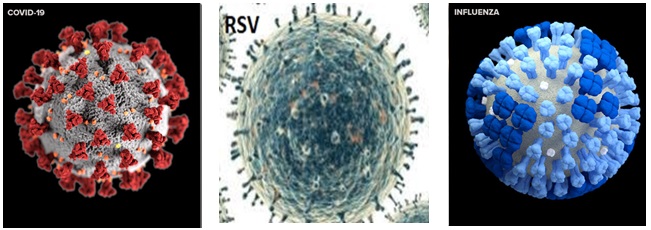
Influenza-vs-Coronavirus vs RSV 1 - Iliaktida from iliaktida.eu
Rsv, which stands for respiratory syncytial virus, is an infection that affects the respiratory tract. Respiratory syncytial virus (rsv) is a common, highly contagious illness that often causes mild upper respiratory symptoms, similar to a cold. Rsv is very contagious, which means it spreads. Respiratory syncytial virus (rsv) causes infections of the lungs and respiratory tract. Respiratory syncytial virus, or rsv, is a respiratory virus that infects the lungs and breathing passages. What is the rsv test? In these instances, the virus has spread to the lower respiratory tract, causing inflammation of the small airways entering the lungs.
Respiratory syncytial virus (rsv) is a common, highly contagious illness that often causes mild upper respiratory symptoms, similar to a cold.
Rsv usually causes mild respiratory infection. Respiratory syncytial virus, or rsv, is a respiratory virus that infects the lungs and breathing passages. Rsv usually causes mild respiratory infection. Your respiratory tract includes your lungs, nose, and throat. Respiratory syncytial virus (rsv) is an infection in your respiratory system (your airways). Respiratory syncytial virus (rsv) is a very contagious viral respiratory infection. Rsv is very contagious, which means it spreads. Respiratory syncytial virus (rsv) is a highly contagious, seasonal lung infection. Respiratory syncytial virus (rsv) is a common, highly contagious illness that often causes mild upper respiratory symptoms, similar to a cold. Learn about how respiratory syncytial virus can be diagnosed, treated and prevented. What are the signs & symptoms of respiratory syncytial virus? The chance of a severe infection is highest for Rsv causes and risk factors. Respiratory syncytial virus in children and adults. Respiratory syncytial virus spreads through the air, like after a cough or a sneeze, and through direct contact like touching. In these instances, the virus has spread to the lower respiratory tract, causing inflammation of the small airways entering the lungs. It's so common that most children have been infected with the virus by age 2. Most people recover in a week or two, but rsv can be serious, especially for. Respiratory syncytial virus (rsv) causes infections of the lungs and respiratory tract. Testing diagnoses rsv, mainly in infants, the elderly and in people with severe symptoms, weakened immune systems. It's usually not serious, but symptoms can be much more severe in young children, older adults. However, in infants, older adults, and patients with weakened. Respiratory syncytial virus is a viral infection that affects the lungs and respiratory tract. Respiratory syncytial virus (rsv), also called human respiratory syncytial virus (hrsv) and human orthopneumovirus, is a very common, contagious virus that causes infections of the respiratory tract. What is the rsv test? It's a common childhood illness that can affect adults too. Respiratory syncytial virus (rsv) is a leading cause of hospitalization due to acute lower respiratory infection currently available options (palivizumab) for preventing and treating rsv are limited to select. Rsv, which stands for respiratory syncytial virus, is an infection that affects the respiratory tract. Respiratory syncytial virus (rsv) is an enveloped rsv is one of the common viruses that cause coughs and colds in winter.
Rsv - Learn About How Respiratory Syncytial Virus Can Be Diagnosed, Treated And Prevented.
Rsv : Rsv | Symptoms And Care | Respiratory Syncytial Virus | Cdc
Rsv : Who | Rsv Data Reporting And Outputs
Rsv : Respiratory Syncytial Virus In Children And Adults.
Rsv : It's Usually Not Serious, But Symptoms Can Be Much More Severe In Young Children, Older Adults.
Rsv . It's Usually Not Serious, But Symptoms Can Be Much More Severe In Young Children, Older Adults.
Rsv , Respiratory Syncytial Virus Spreads Through The Air, Like After A Cough Or A Sneeze, And Through Direct Contact Like Touching.
Rsv : Rsv Causes And Risk Factors.
Rsv - Rsv Is Very Contagious, Which Means It Spreads.
Rsv . Respiratory Syncytial Virus, Or Rsv, Is A Respiratory Virus That Infects The Lungs And Breathing Passages.